
What Women Need Business Leaders to Know Right Now
ORIGINALLY APPEARED IN THE PUGET SOUND BUSINESS JOURNAL ON MARCH 7, 2021.
BY MONA JOHNSTON ZELLERS

Mona & her son / Photo by AV Goodsell
As one of around 23.5 million working women with children under 18, I am part of a labor force of working mothers that account for nearly one-third of all employed women. *
The significant impact of COVID on our already challenging lives has created new realities for working mothers, one that most businesses were unprepared for.
In October 2020, the Bureau of Labor Statistics reported that over 1.1 million workers ages 20 and over dropped out of the labor force. Of the workers who left the labor force, 865,000 (80%) were women. The word “shecession” is being used to describe both the disproportionate job loss, as well as societal expectations that remain different for women than their male counterparts. Plus, the gender wage gap is infiltrating household conversations about who stays home, based on who makes less money—an outcome that is sure to deepen the diversity gap post-COVID and beyond.
While much has been written about the outsized impact the Coronavirus pandemic has had on the employment of women and working mothers, it’s a crisis that’s been happening on our watch since women entered the workforce.
Fortunately, I’m part of a 30-year-old company that was co-founded by a working mom, my mom. And, as a result of her drive to be both a dedicated mother and a firm leader, she, alongside her husband, set the stage for a culture that would celebrate families and allow all employees to thrive, regardless of their caretaking responsibilities.
I was ten years old when my parents, Mary and Ray Johnston, founded Johnston Architects in 1991. By then my mother had been balancing work and motherhood for a decade and was familiar with the ever-changing landscape of childcare and its impacts on working mothers in general, and mothers in a male dominated industry, specifically.
As her own boss, my mom didn’t have to worry that her childcare duties would affect her opportunities for advancement, but as a leader, she realized that a flexible work environment was a necessity. In 1991, like today, women shouldered most day-to-day childcare and household responsibilities. My mother was no exception. In a profession notorious for long hours and a certain relentlessness at odds with fulltime parenting, this often led to women dropping out of the industry altogether.
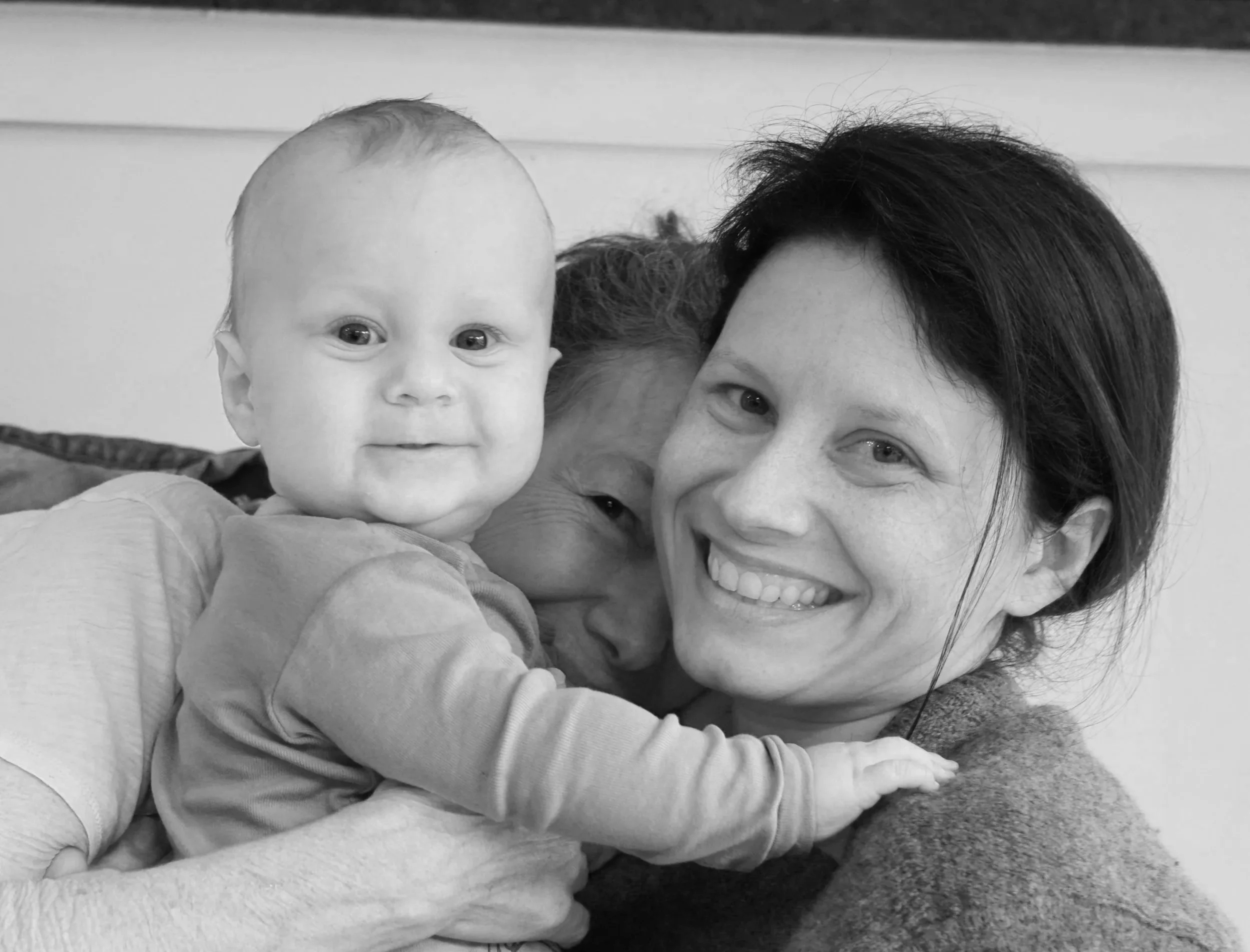
Mona with her son and her mother, Mary Johnston, FAIA
At Johnston Architects (JA), the rules were explicit: Work when your schedule allows - there will be no penalty for motherhood.
Even today, that statement sounds radical. But at JA, years of balancing family needs and the needs of team members created values that still guide the firm today, showcasing how companies can build an inclusive culture that serves its people, families and the business.
The family-friendly policies that were part of the firm’s founding had a lasting impact: today, half of our Partners are mothers. Most of the Principals, including myself, are parents and work reduced hours to help care for our families, and this was true before the pandemic hit. We proactively inform our clients and collaborators that some employees work fewer hours during the week to help manage their expectations, and we build our project schedules and budgets around this practice.
Although JA’s way of accommodating the personal obligations of the staff has proven to be successful prior to, and especially during COVID-19, it shed a glaring light on the shortcomings of our culture more broadly.
I am immensely thankful to have the freedom and flexibility to keep my own hours, however like many women, it often translates into late nights and weekends - squeezing in work when I’m not caring for my son. Admittedly, like so many of my peers, I am exhausted.
A family-first company culture is just the start. We also need support for universal paid family leave and, publicly funded childcare and preschool. We need a larger conversation about how workplace expectations in our society work, or do not work, for people with children. We still need to address the norms that remain the basis for systemic sexism, from equal pay to primary childcare and parenting.
One design studio cannot solve all the roadblocks that stymie truly flexible, supportive workplaces in this nation, but experience has taught us that to have a successful practice, we need to be inclusive and respectful of our staff’s differing circumstances, accommodating them as best we can.
Talent does not come in one uniform package and if we want the best talent - the best “work family” possible - we must go beyond flexibility and ask what the whole person needs. In looking at our team members holistically, we work toward the goal of creating a more humane culture for everyone.
*According to the U.S. Census Bureau’s 2018 American Community Survey.