
What Would A Neurodivergent-Friendly Public Space Actually Look Like?
ORIGINALLY APPEARED IN FORBES ON AUGUST 26, 2026
BY JENNIFER JAY PALUMBO
In a thoughtful new Forbes article, Jennifer Jay Palumbo brings together perspectives from several fields to question conventional standards of accessibility. She asks us to consider how architecture can move beyond physical access to better support sensory, cognitive, and communication differences—and provide meaningful choices that help more people feel comfortable in public spaces.
JA Partner Jack Chaffin has been leading a Neurodiversity Research Group at Johnston Architects, working towards "creating spaces that are easier to comprehend and offer meaningful options for those who use them."
This work is being developed in close collaboration with our research partner, Tracy Meyer DNP-FNP, ARNP, RN, BSN, BAS, whose expertise and leadership has been foundational to the project.
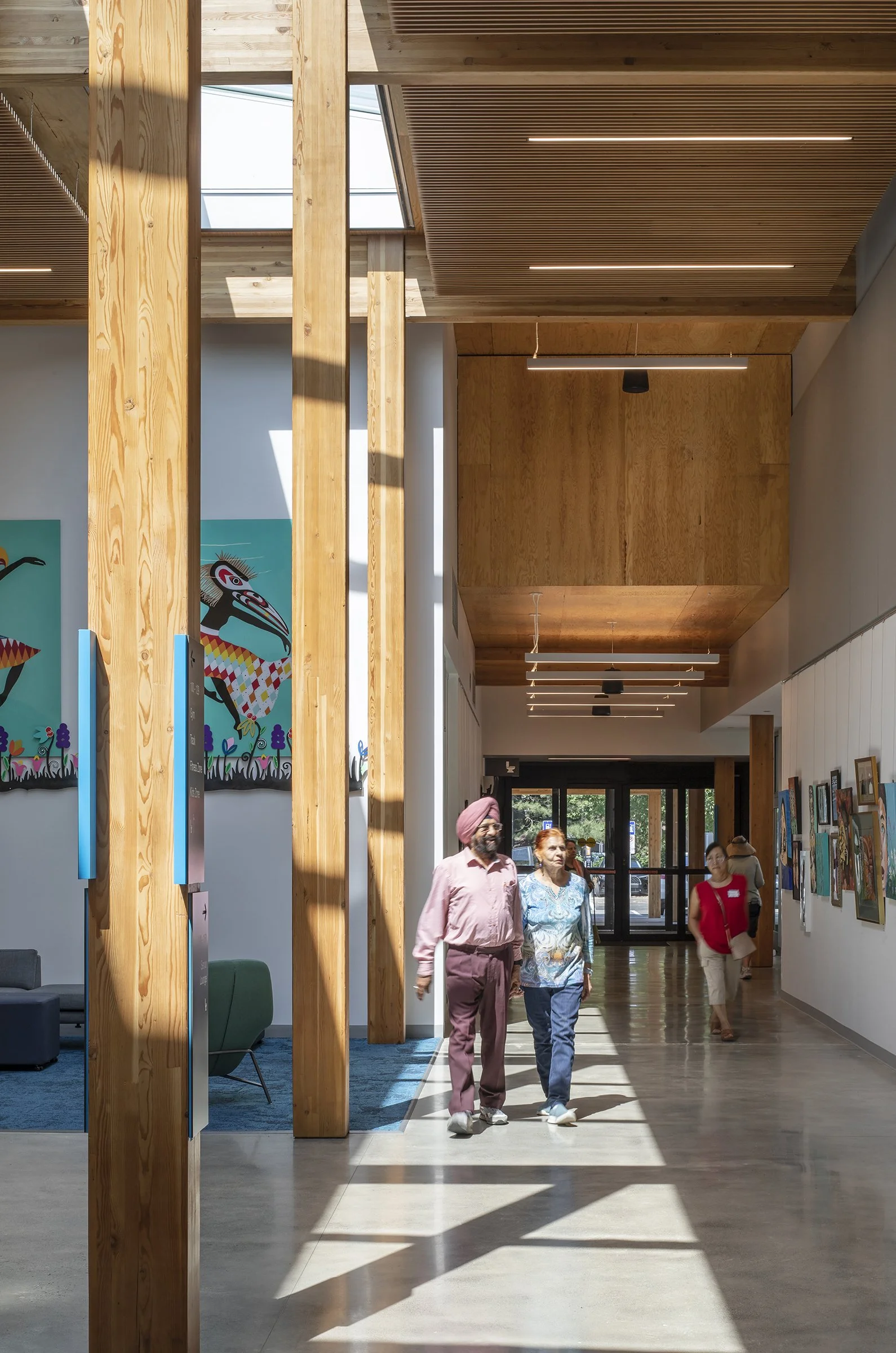
Redmond Senior and Community Center
Read more about neurodivergent-friendly public spaces on Forbes!