
Art and Architecture
BY RAY JOHNSTON
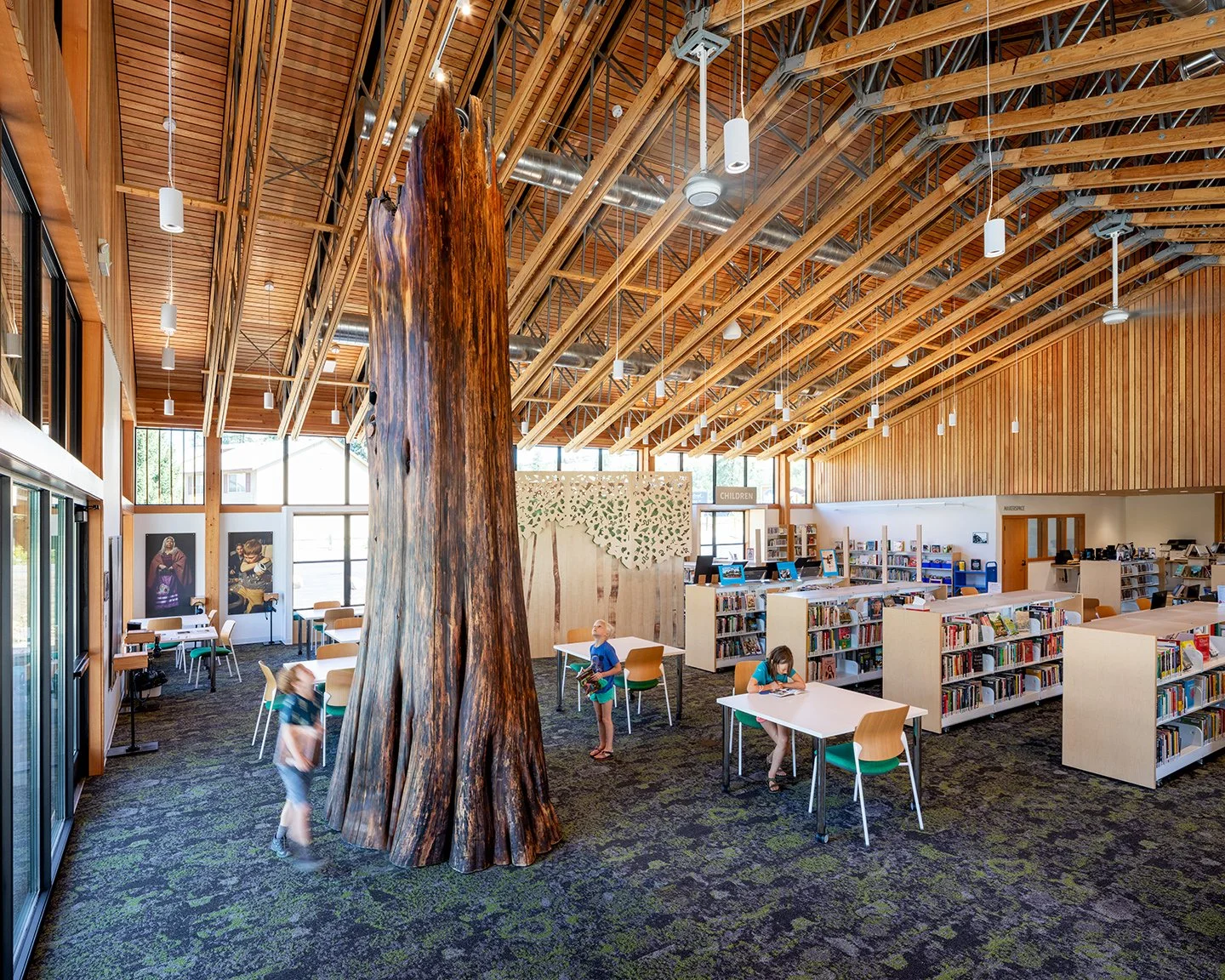
Winthrop Library burned tree stump. / Photo by Benj Drummond
Art is an essential part of all exceptional architecture.
Humans have always been both rational and creative creatures. A balance between linear and functional thinking and the creative side of our minds is a healthy one. Buildings benefit from both elements of the human mind.
Essential aspects of the built environment are derived from excellent engineering. The structure, the way the building is heated and cooled, the way natural light infuses a project and the manner in which indoor environments are connected to their outdoor surroundings all involve an aspect of engineering and linear thinking. But, there is also a place for creative thinking in the way these systems manifest themselves and the way that resulting structures are adorned.
Some would say that architecture is the ultimate art. During the renaissance, human proportions and ideas about rhythm and color infused great works of architecture. Cultures throughout the world deployed creative thinking to enhance the built environment. From Shinto Shrines to First Nation Long Houses; from Egyptian and Mayan pyramids to ancient cave paintings, creative expressions have always been a part of our built environment.
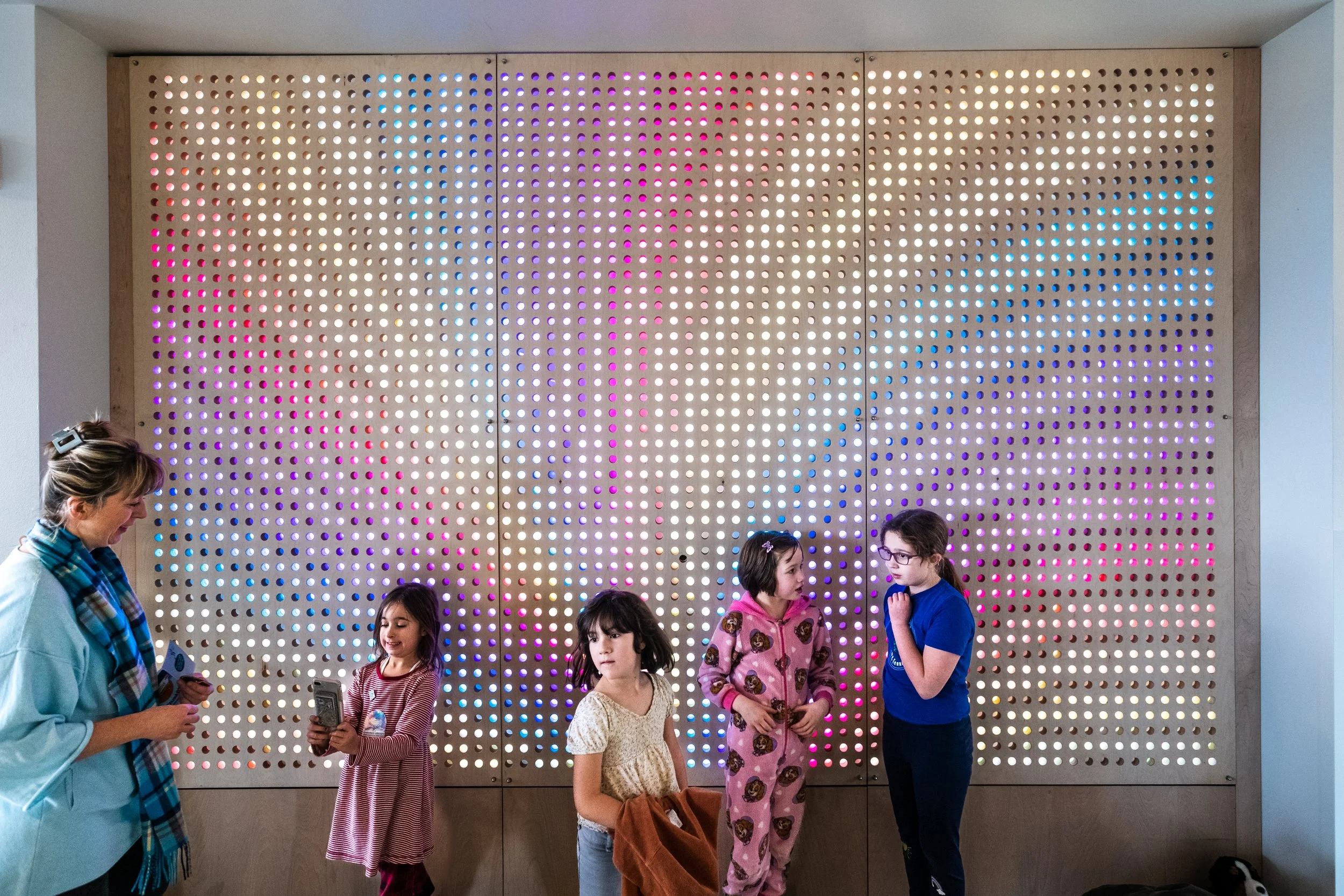
Edmonds Library P.E.G. / Photo courtesy of Sno-Isle
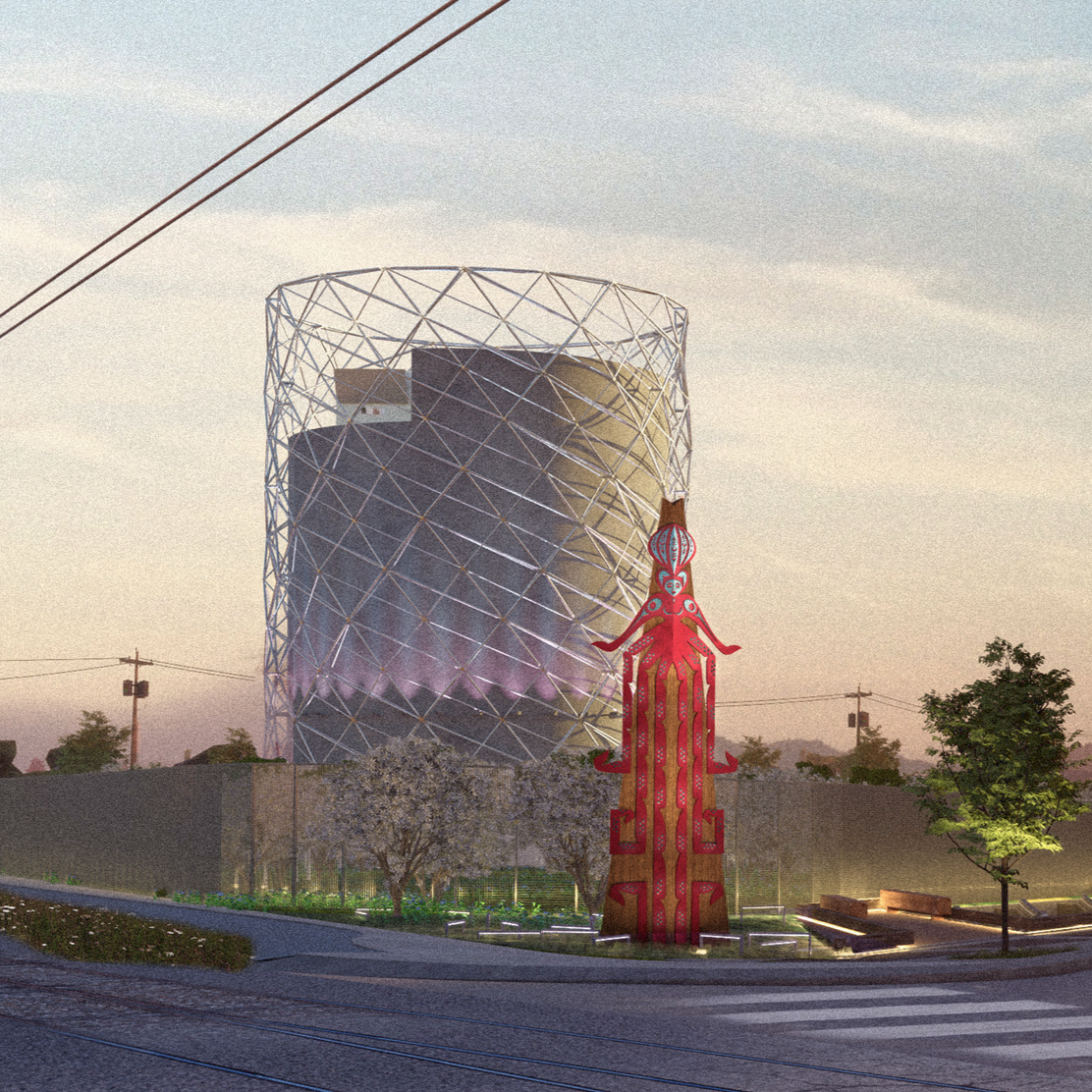
Octo-Woman / Rendering by JA
In our fast paced world today, Art in Architecture is sometimes neglected or forgotten, but many projects choose to integrate art as an essential element. The one percent for art program in the northwest public sector has been effective in this regard. So too, the pressure of the market place combined with a creative mind set frequently results in the inclusion of art in the private sector.
At times, art and architecture are blended in an impressive way. The Libraries for All program in Seattle facilitated the creation of both types of art: Building as Art and Art as building enhancement. One could argue that the Seattle Main Library by Rem Koolhaas is a piece of art in itself. At Capitol Hill Library, Johnston Architects working with Iole Alessandrini combined a light infused green lattice with the shape of the building. Other examples of building as art in Seattle include the Saint Ignatius Chapel by Steven Holl, the Museum of Pop Culture by Frank Gehry and the new Aquarium addition by LMN.
The importance of these moments in our built environment cannot be over estimated. Each building enhances its neighborhood and also brings people together to experience great buildings and spaces.
Read more about how Johnston Architects has incorporated art into architecture on Ray Johnston’s Substack!
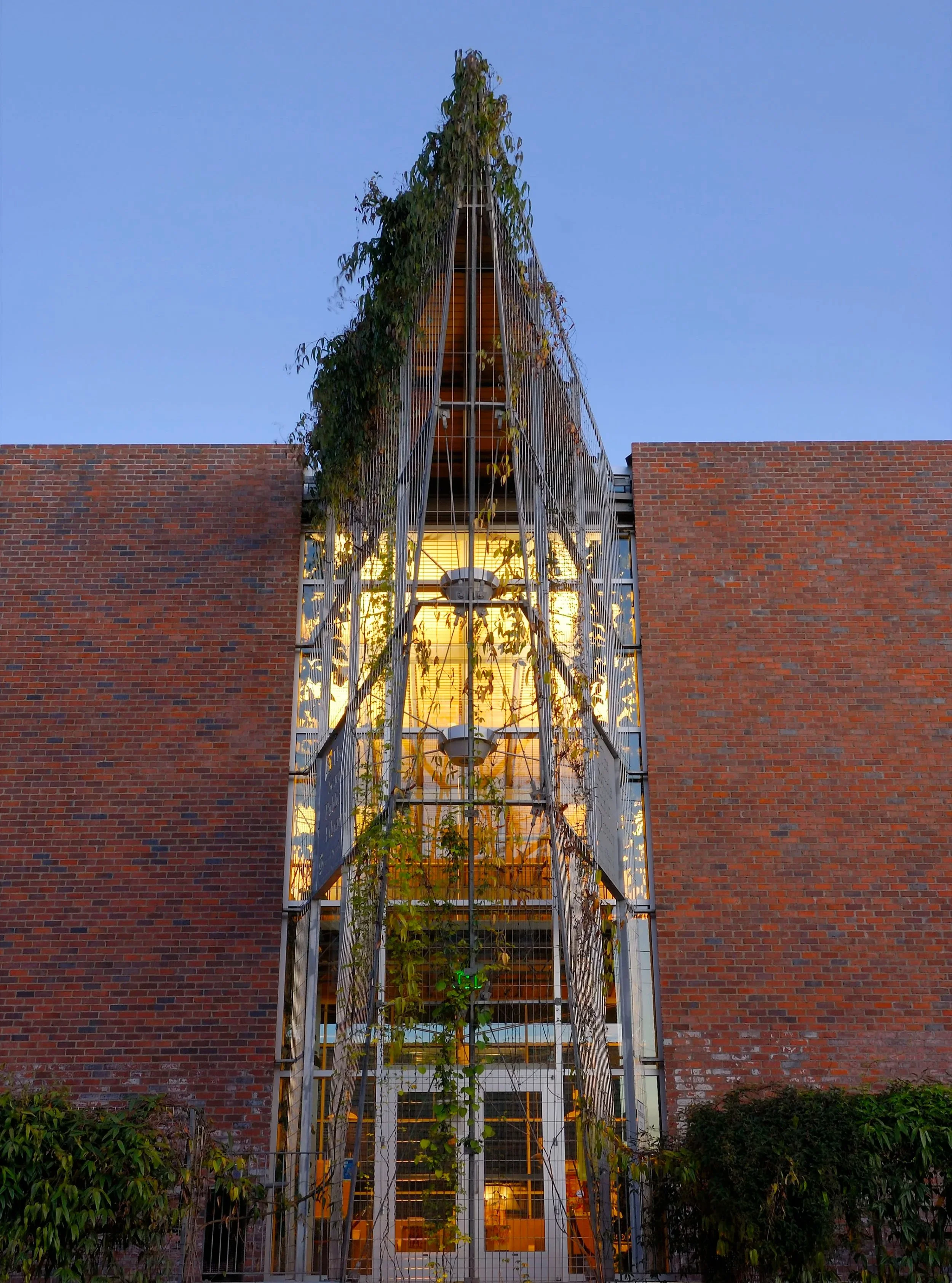
Capitol Hill Library Lattice / Photo by Benjamin Benshneider